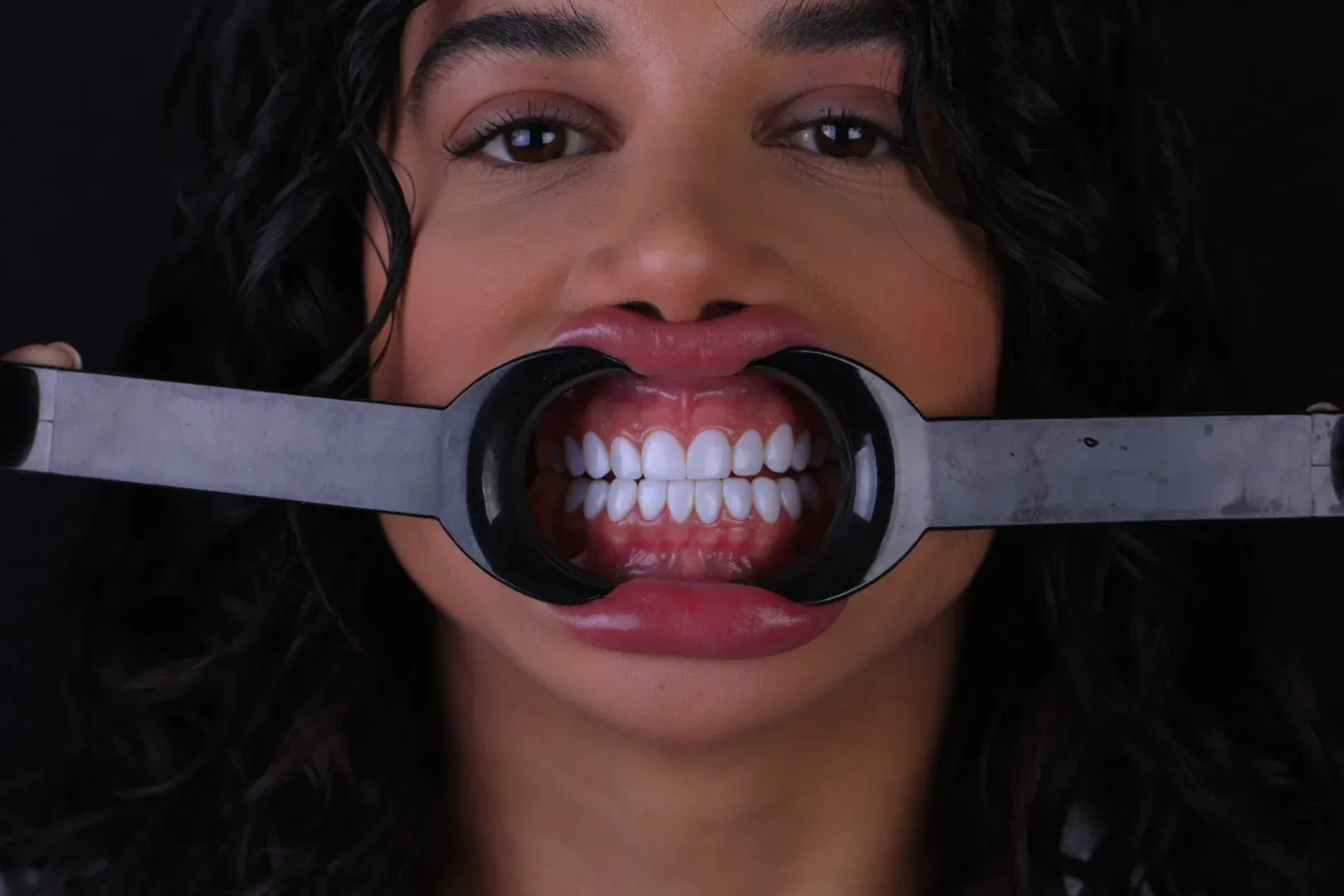
A final All-on-4 bridge is usually acrylic, acrylic over a metal frame (a "hybrid"), or zirconia. Acrylic and hybrids are lighter, gentler on the opposite teeth and easier to repair; zirconia is harder, resists stains and wear better and looks more like enamel. The right choice depends on your bite and priorities.
First, which bridge are we talking about?
An All-on-4 treatment has two bridges:
- The temporary bridge, attached on the day of surgery so you don't leave without teeth. It's built for the healing months, when the implants are fusing with the bone. Temporary bridges are generally made of acrylic-type materials.
- The final bridge, made once healing is confirmed. This is the one you'll live with for years, and the one this article is about.
Both are fixed: they're screwed onto the implants, so you don't take them out at home. Only your dentist can remove them, for example for a deep cleaning or a repair.
The three main options, explained
Acrylic bridge. Acrylic is a hard dental plastic. The teeth are acrylic or composite (a tooth-colored resin), set on a pink acrylic base that replaces lost gum. It's light and slightly cushioning when you bite. Over the years the teeth can wear, chip or pick up stains, and they may need to be refreshed — but repairs are usually simpler.
Hybrid bridge. This is an acrylic bridge reinforced inside with a metal framework, commonly titanium. The metal adds strength and stiffness; the outside is still acrylic or composite teeth and pink acrylic gum. "Hybrid" is used loosely in dentistry, so ask your dentist exactly what it means in your plan.
Zirconia bridge. Zirconia is a very strong, tooth-colored ceramic. The bridge is milled from a solid block based on the digital design, then shaped, stained and glazed by hand to look like natural teeth and gum. It's dense and smooth, so it resists stains and holds onto less plaque. It's also hard and heavier, and if it ever cracks, a repair is more involved.
Side by side
| Acrylic / hybrid | Zirconia | |
|---|---|---|
| What it's made of | Acrylic or composite teeth on a pink acrylic base (hybrid: with a metal frame inside) | Solid tooth-colored ceramic, finished by hand |
| Look | Natural when new; can lose shine and stain with time | Glass-like, enamel-like look that tends to keep its color |
| Feel when biting | Lighter, slightly cushioning | Very rigid and solid |
| Wear over the years | Teeth can wear down or chip | Highly wear-resistant |
| Effect on opposite teeth | Gentler | Harder — the bite needs careful fine-tuning |
| Repairs | Usually simpler, sometimes the same visit | More complex if it fractures |
| Cleaning | Smooth when polished; may pick up stains | Very smooth surface that resists stains |
Why many patients are asking about zirconia
Full-arch zirconia has become a popular topic, mostly because of how it looks and how it resists stains and wear. That doesn't make it the right choice for everyone. Some situations where your dentist may think twice:
- Heavy grinding or clenching. A very rigid bridge transmits more force. A night guard and careful bite design become essential.
- Opposing natural teeth or an older restoration. A harder material can wear down what it bites against.
- Limited space. Each material needs a certain thickness to be strong; the 3D plan shows how much room there is.
And some patients simply prefer the lighter, more forgiving feel of acrylic or a hybrid. There's no universal winner.
Who makes the bridge matters too
Whatever the material, the bridge has to be designed for your face: tooth shape, length, color, how much "gum" shows when you smile, and how your lips rest. At Art Dental Studio, full-arch bridges are offered in acrylic, zirconia and hybrid versions, and they're made in-house by master ceramist Enrique in the practice's own lab. Having the lab under the same roof means the person shaping the teeth can see you, check the color in person and fine-tune details. Read more about our in-house dental lab.
How the final choice is made
At your consultation and during healing, the team looks at:
- Your bite force and whether you grind.
- What the bridge will bite against — natural teeth, implants or another bridge.
- The space available, measured on your 3D scan.
- Your priorities: look, weight, ease of repair, long-term maintenance.
- How you feel with the temporary bridge — it's a useful test for shape and bite.
Cost is part of the conversation too. It depends on the material and on your whole case, so the team gives you a personalized written estimate at the consultation. The page on All-on-4 cost in Miami explains what affects it, and financing options are available.
Questions to ask at your consultation
- Which materials would work for my bite, and why?
- What's the difference in how each one feels and how it's maintained?
- If the bridge chips or cracks, how is it repaired?
- Who designs and makes my final bridge?
- Do I need a night guard?
The bottom line
Zirconia and acrylic/hybrid are both valid materials for an All-on-4 bridge. Zirconia wins on stain and wear resistance and that enamel-like look; acrylic and hybrids are lighter, gentler on the opposite teeth and easier to repair. The best choice is the one that fits your bite and your priorities — decided with your dentist, not by trend. For the bigger picture, see our All-on-4 treatment page and All-on-4, All-on-6 and All-on-X explained.
Art Dental Studio offers complimentary consultations with a written estimate at three South Florida locations — Miami, Cooper City and Kendall — with bilingual care in English and Spanish. Full-arch cases are planned with 3D imaging by our in-house multi-specialty team, and every final bridge is hand-crafted in-house by master ceramist Enrique, under the direction of Dr. Vivian Menendez (DMD · ADA · AACD · Invisalign Preferred Provider).
Frequently asked questions
Is zirconia better than acrylic for All-on-4?
Neither wins for everyone. Zirconia resists stains and wear and looks like enamel, but it's harder and more complex to repair. Acrylic and hybrid bridges are lighter, gentler on opposite teeth and easier to fix. Your dentist recommends one based on your bite and priorities.
What is a hybrid All-on-4 bridge?
Usually it means an acrylic bridge reinforced inside with a metal framework, commonly titanium, with acrylic or composite teeth and pink acrylic gum on the outside. The word is used loosely in dentistry, so ask your dentist exactly what it means in your plan.
Is the temporary bridge the same material as the final one?
Not necessarily. The temporary bridge attached on surgery day is generally made of acrylic-type materials and is designed for the healing months. The final bridge is made once healing is confirmed, in the material you and your dentist choose.