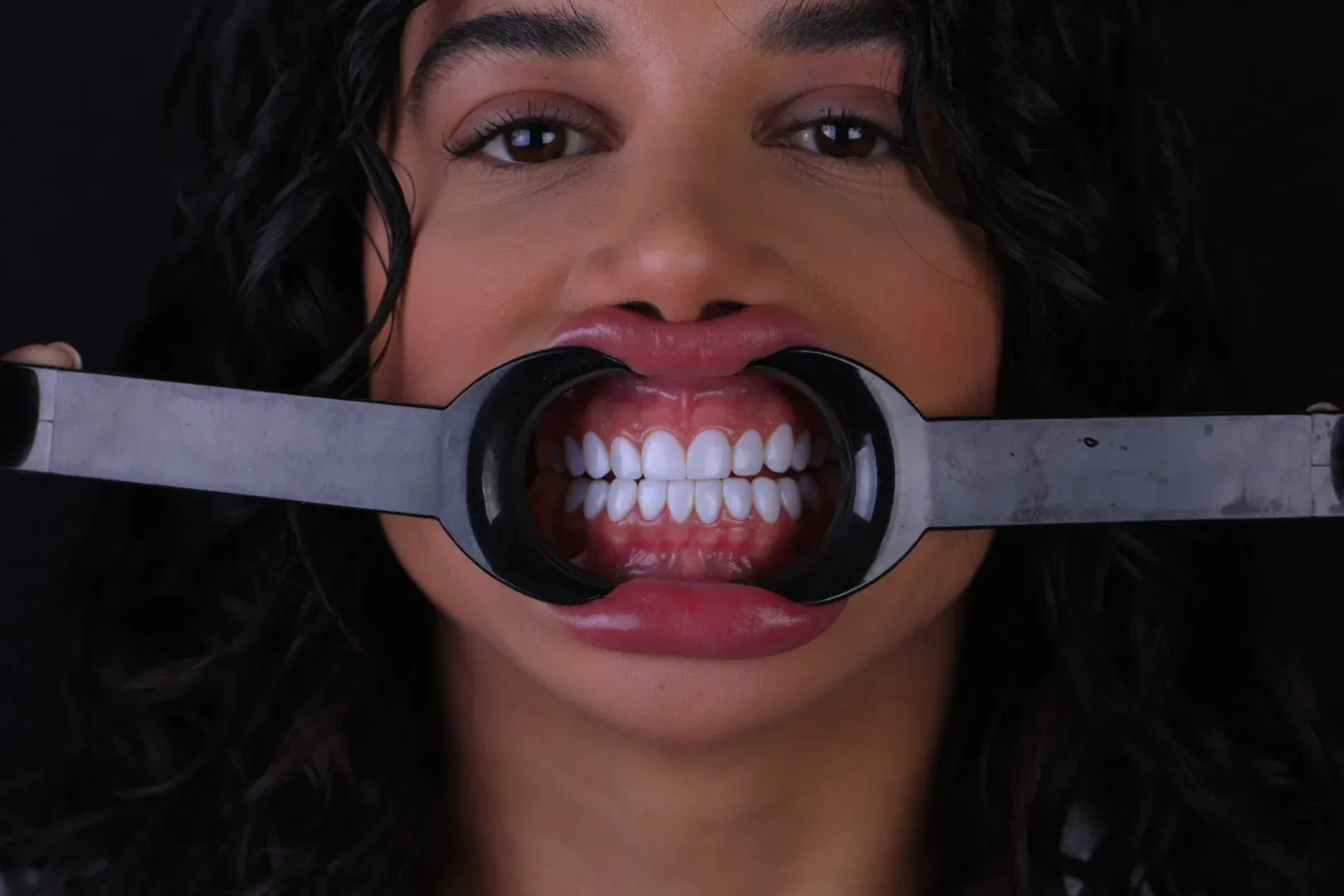
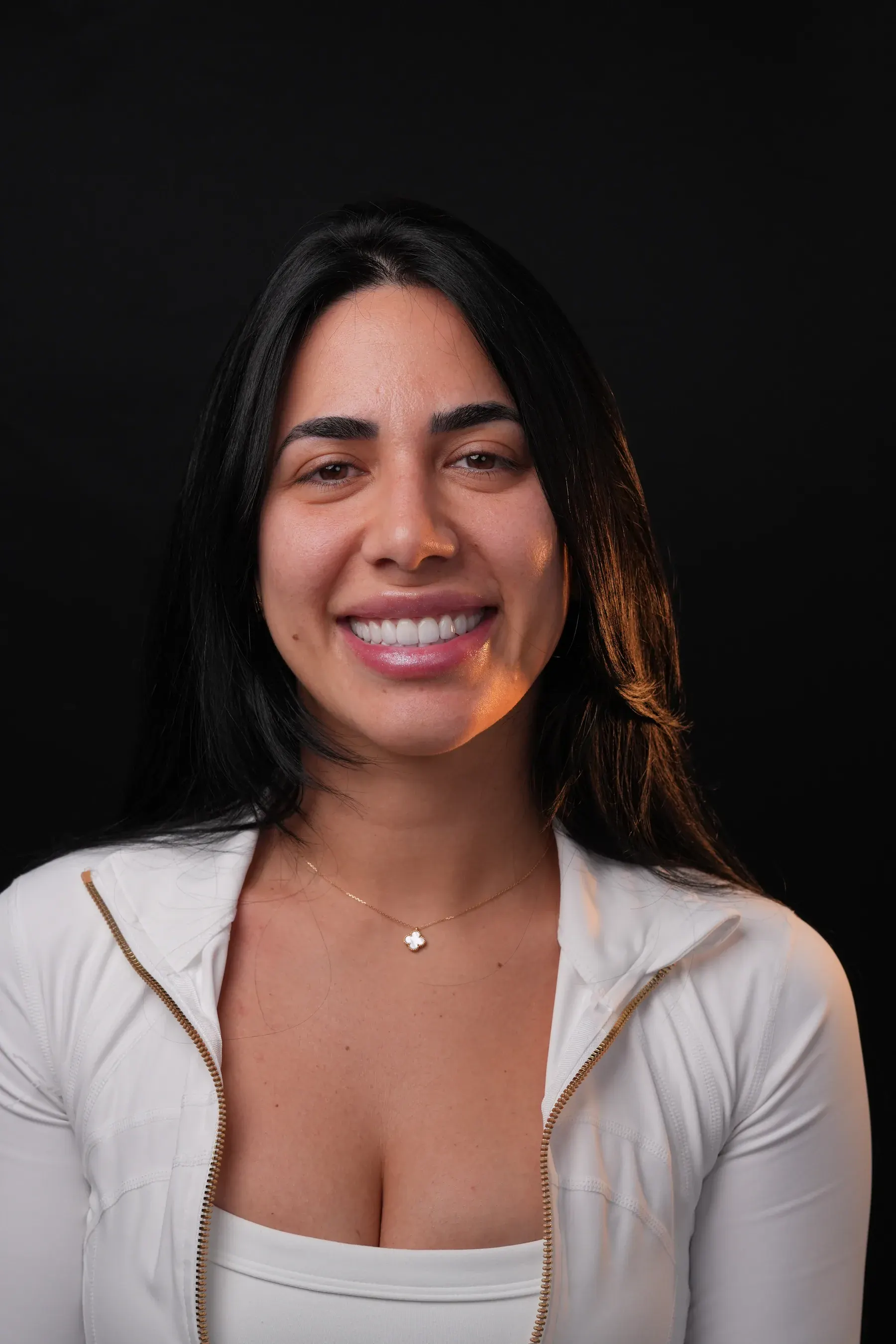
After 50, smiles usually age in predictable ways: teeth get shorter and darker, old fillings and crowns look tired, gums recede, and teeth may shift. A natural-looking rejuvenation treats those changes one by one — whitening, aligning, replacing old restorations, gum care and carefully designed veneers or crowns — instead of a uniform, ultra-white "new set" that reads as artificial.
How a smile ages
Knowing what changes helps you see what to fix — and what to leave alone.
- Teeth get shorter. Years of chewing, and often grinding, wear the edges. Short upper teeth make the smile look older, because in youth the upper teeth show more when the lips are relaxed.
- Teeth get darker. Enamel (the white outer layer) thins with age, and the yellower layer beneath, called dentin, shows more. Decades of coffee, tea and wine add surface stains.
- Old dental work ages. Fillings stain at the edges, crowns from years ago may show a gray line at the gum, and a mix of different whites appears.
- Gums recede. The gum can pull back, exposing more of the root. Teeth look longer near the gum, triangles appear between teeth ("black triangles"), and roots can be sensitive.
- Teeth shift. Lower front teeth often crowd; spaces open where teeth were lost.
- Lips thin. With age, lips lose some fullness and support, and teeth play a bigger role in holding the shape of the lower face.
Why some smiles look "fake" — and how to avoid it
The smiles that look artificial usually share a few mistakes:
- One flat, extra-bright white that doesn't match the face, skin or eyes.
- Teeth that are all the same length and shape, like a row of identical tiles.
- Too bulky, pushing the lips forward.
- No translucency at the edges, where real teeth let light pass through.
A natural result does the opposite: a shade that suits your age and complexion, slight variations between teeth, edges with subtle translucency, and proportions designed around your face. Our guide on a natural-looking smile goes deeper into this.
The options, from least to most involved
Gum health first. Receding or inflamed gums must be treated before cosmetic work. Healthy gums frame the teeth and keep restorations lasting. See periodontics.
Professional whitening. Often the simplest, most visible change. It works on natural teeth, not on crowns or fillings, so it's usually done before replacing visible restorations. Results vary with the type of discoloration.
Invisalign. Correcting crowding or spaces that developed over the years can take years off a smile, and it can reduce how much tooth needs to be reshaped later. Many adults of all ages use clear aligners.
Bonding. Tooth-colored resin can restore worn edges, close small gaps or cover small exposed root areas. Conservative and adjustable.
Replacing old restorations. Swapping stained fillings or old crowns for well-matched ceramic ones can refresh the whole smile, especially when the gray line of an old metal crown shows.
Porcelain veneers or crowns. When teeth are worn, darkened or have many old restorations, porcelain can restore length, shape and color. The key is design: the right length to support the lips, natural texture, and a shade that looks like your healthy teeth, not a catalog white. Learn about porcelain veneers.
Replacing missing teeth. Gaps age a smile and affect chewing. Implants, bridges or, for many missing teeth, full-arch solutions are options your dentist can review with you. See dental implants.
Matching the treatment to the change
| What changed | Usual first step | If more is needed |
|---|---|---|
| Darker color | Whitening | Veneers or crowns |
| Shorter, worn edges | Bonding | Veneers or crowns, with a night guard |
| Crowding or spaces | Invisalign | Bonding or veneers to finish |
| Receding gums | Periodontal care | Bonding on exposed areas, when appropriate |
| Tired old dental work | Replace restorations | Combined smile design |
Why seeing it first matters more after 50
At this stage, many people want an improvement that friends notice as "you look rested," not "you had your teeth done." That's why previewing the result matters. At Art Dental Studio, you can see a digital preview of the design, and when veneers are part of the plan you try a provisional version — a "test drive" — to check shape, length and how your lips rest before anything is final. Then master ceramist Enrique hand-crafts the final pieces in our in-house lab, adjusting shade and texture to your real teeth. See how the smile design process works.
Health considerations at this age
- Medications can cause dry mouth, which raises the risk of cavities near the gum line. Tell your dentist what you take.
- Conditions like diabetes affect gum health and healing.
- Grinding often continues for life; a night guard protects new work.
- Regular cleanings are even more important to keep gums and restorations healthy.
Questions to ask at your consultation
- What exactly makes my smile look older — color, length, gums or old work?
- Can I start with whitening, aligning or bonding before anything bigger?
- Which old restorations should be replaced, and which can stay?
- How will you choose a shade that looks natural for my face?
- Can I try the design before it's final?
The bottom line
Rejuvenating a smile after 50 isn't about looking twenty again. It's about reversing the specific changes time caused — color, length, gums, old dental work — with treatments designed for your face, so the result looks like you on your best day.
Art Dental Studio offers complimentary consultations at three South Florida locations — Miami, Cooper City and Kendall — with bilingual care in English and Spanish. Every porcelain veneer is hand-crafted in-house by master ceramist Enrique, under the direction of Dr. Vivian Menendez (DMD · ADA · AACD · Invisalign Preferred Provider), with orthodontics, periodontics and cosmetic dentistry under one roof.
Frequently asked questions
Why does my smile look older?
With age, teeth wear and get shorter, enamel thins so teeth look darker, old fillings and crowns stain or show a gray line, gums recede and teeth can shift. Each change can be treated separately to refresh the smile.
How do I avoid veneers that look fake?
Ask for a design built around your face: a shade that suits your age and complexion, slight variations between teeth, natural translucency at the edges and a length that supports your lips. Seeing a digital preview and trying provisionals first helps avoid surprises.
Is it too late to straighten my teeth after 50?
Not necessarily. Many adults use clear aligners to correct crowding or spaces that appeared over the years, as long as the gums and bone are healthy. Your dentist checks gum health first and tells you if you are a good candidate.