Digital smile design is a way of planning a new smile on a computer before any tooth is touched. Your dentist uses photos, sometimes short videos, and a 3D scan of your teeth to design shape, size and proportions that fit your face, shows you the result, and only moves forward once you approve it.
The idea in one sentence
Instead of deciding the shape of your new teeth in the chair, the design is done first, on screen, around your face, lips and smile line — and you get a say before anything is permanent.
DSD stands for digital smile design. You'll also hear "3D smile design," "smile preview" or "virtual smile makeover." The names vary between clinics and software, but the principle is the same: plan first, treat second.
What goes into a digital design
A complete digital plan usually combines several kinds of records:
- Photos of your face and smile. Front and side views, smiling, at rest and talking. They show how your teeth relate to your lips, nose, eyes and the middle of your face.
- Short video clips (in many workflows). A real smile moves. Video shows how much tooth and gum you show when you laugh or speak — something a still photo can miss.
- A 3D scan of your teeth. A small camera called an intraoral scanner captures your teeth digitally, or traditional molds are used and then digitized. Either way, the result is an exact 3D model of your bite.
- X-rays and, when needed, a 3D CT scan. A cone-beam CT (CBCT) is a 3D X-ray that shows bone and roots. It isn't needed for every cosmetic case, but it matters when implants or deeper problems are involved.
- Your own words. What bothers you, what you like, photos of smiles you admire, and what you don't want.
What the design looks at
A good smile design is not about making every tooth perfectly straight and white. It's about proportion and harmony:
| What's measured | Why it matters |
|---|---|
| The facial midline | The center of your front teeth should feel aligned with your face |
| Smile line | How the edges of the upper teeth follow the curve of your lower lip |
| Tooth proportions | Width vs. length of each tooth, and how they relate to each other |
| Gum line | Whether the gum frames each tooth evenly |
| Lip support | How the teeth support your lips at rest and when smiling |
| Color and texture | Natural teeth aren't one flat color; they have depth and translucency |
| Bite | The new shape must work when you chew and speak, not only when you smile |
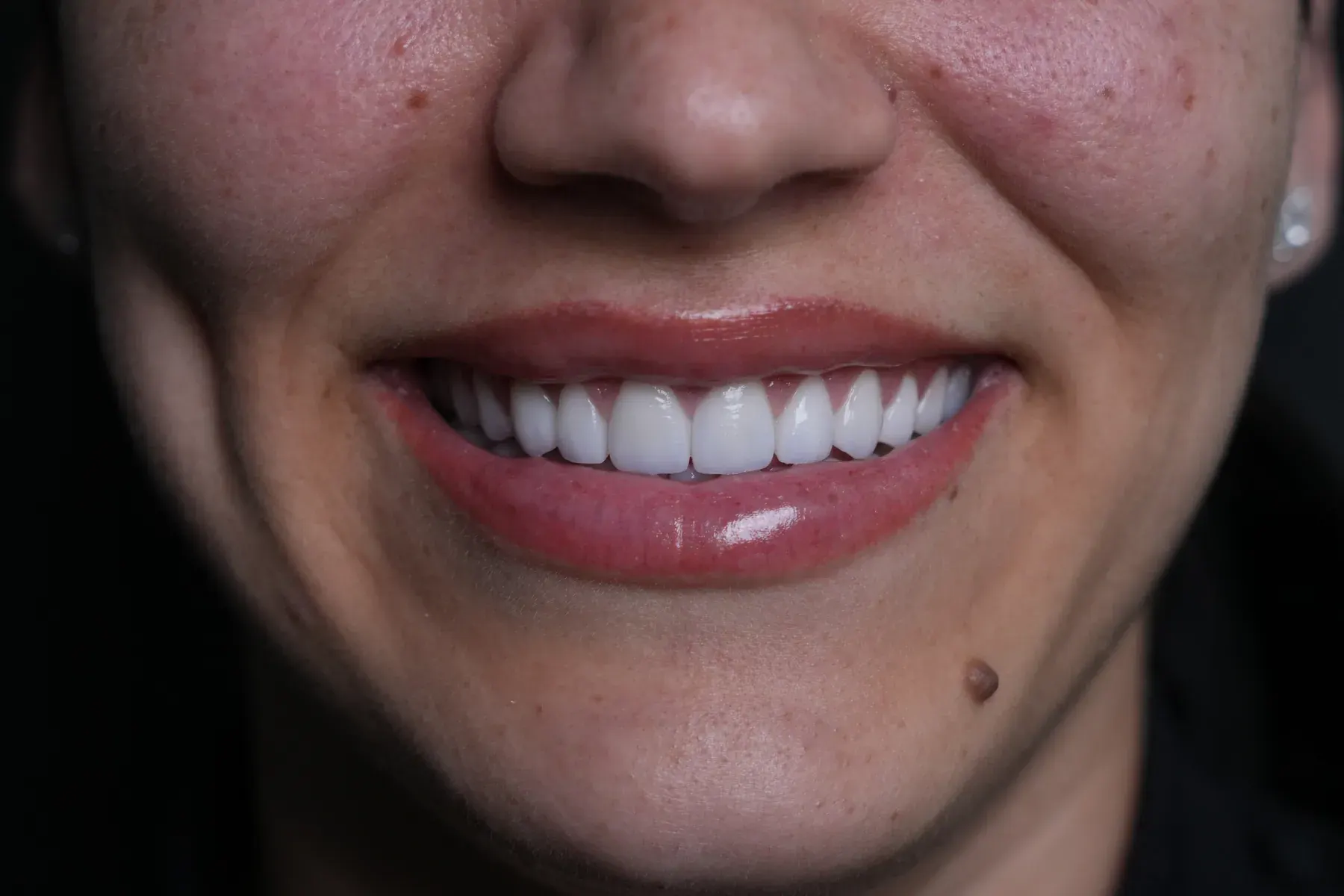
This is also where style is decided. A natural-looking design and a very bright "Hollywood" design are both possible; the digital plan lets you compare before choosing. Our guide on natural-looking smiles explains the difference.
From screen to mouth: the steps
- Records. Photos, scan, X-rays and a conversation about your goals.
- The digital design. The dentist and the lab design the new smile on your images and 3D model.
- Showing you the preview. You see the proposed smile and can ask for changes: shorter, softer, less white, wider.
- Trying it in your mouth. The design can be turned into a temporary version you can see and feel. This might be a quick mock-up — tooth-colored material placed over your teeth for a visit — or provisionals you wear for a while. Our guide on the trial smile covers this step.
- Final restorations. Once you're happy, the final veneers, crowns or other work are made to match the approved design.
What DSD can and can't do
It can:
- Help you understand and approve the plan before treatment.
- Improve communication between you, the dentist and the ceramist.
- Make it easier to plan a conservative treatment, because the team knows the final shape in advance.
It can't:
- Guarantee that the final teeth will look exactly like the screen. Real porcelain, real light and real gums add variables, which is why trying the design in your mouth is so valuable.
- Replace a clinical exam. Gum disease, decay or bite problems need to be addressed first.
- Decide the treatment by itself. The design may show that orthodontics, bonding, whitening or veneers — or a combination — is the right path.
Is digital smile design only for veneers?
No. The same planning helps with porcelain veneers, crowns, bonding, gum reshaping, orthodontics and even full-mouth cases. Sometimes the design reveals that a few millimeters of tooth movement with clear aligners would make veneers smaller and more conservative — or unnecessary.
How it works at Art Dental Studio
At Art Dental Studio, smile design follows a clear path, described in our smile design process:
- A free consultation with a written estimate.
- A digital/3D preview of your design before treatment.
- A provisional "test drive" so you can live with the new shape and give feedback.
- Final work hand-crafted in our in-house lab by master ceramist Enrique, who can see your case and adjust shape and color directly.
For a broader overview, read our complete guide to smile design in Miami.
Questions to ask at your consultation
- What records will you take, and will I see the design on my own face?
- Can I ask for changes to the design before anything is done?
- Will I be able to try the design in my mouth?
- Does my plan need orthodontics, gum work or whitening first?
- Who turns the digital design into the final teeth?
The bottom line
Digital smile design moves the big decisions to the beginning, where they belong. It uses your photos, video and 3D scans to plan a smile that fits your face, lets you see and adjust it, and then lets you try it before anything is final. It's a planning tool, not a promise — and the best results come when the plan, the trial and the ceramist's hand all work together.
Art Dental Studio offers complimentary consultations at three South Florida locations — Miami, Cooper City and Kendall — with bilingual care in English and Spanish. Every porcelain veneer is hand-crafted in-house by master ceramist Enrique, and every smile design starts with a digital/3D preview and a provisional test drive, under the direction of Dr. Vivian Menendez (DMD · ADA · AACD · Invisalign Preferred Provider).
Frequently asked questions
What is digital smile design?
Digital smile design is a way of planning a new smile on a computer before treatment. Photos, sometimes short videos and a 3D scan of your teeth are used to design shape and proportions that fit your face, and you approve the design first.
Will my final teeth look exactly like the digital preview?
Not exactly. Real porcelain, light and gums add variables a screen can't show. That's why trying the design in your mouth, with a mock-up or provisionals, is so valuable before the final restorations are made.
Is digital smile design only for veneers?
No. The same planning helps with veneers, crowns, bonding, gum reshaping, orthodontics and full-mouth cases. Sometimes the design shows that moving teeth slightly with aligners would make veneers more conservative, or unnecessary.