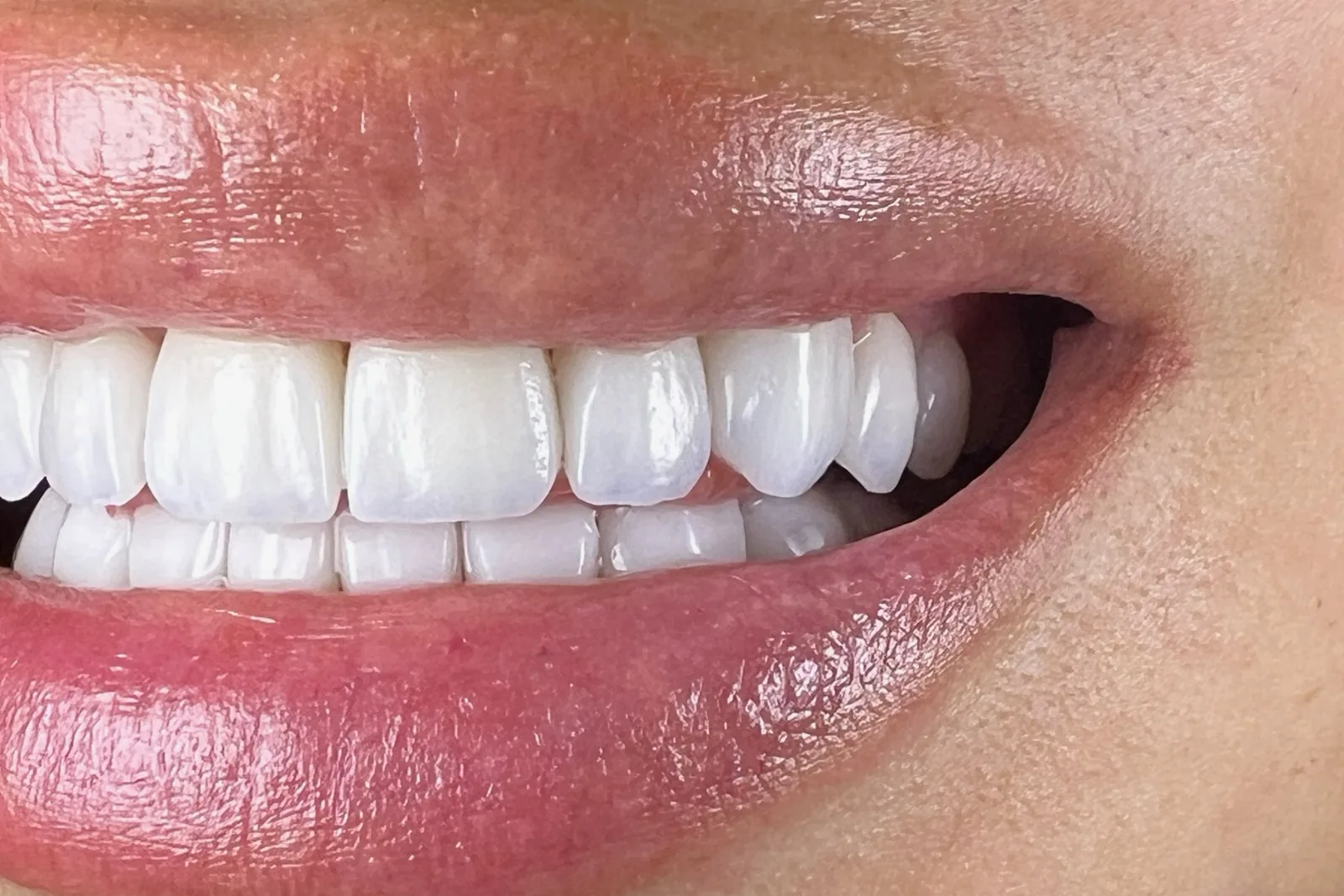
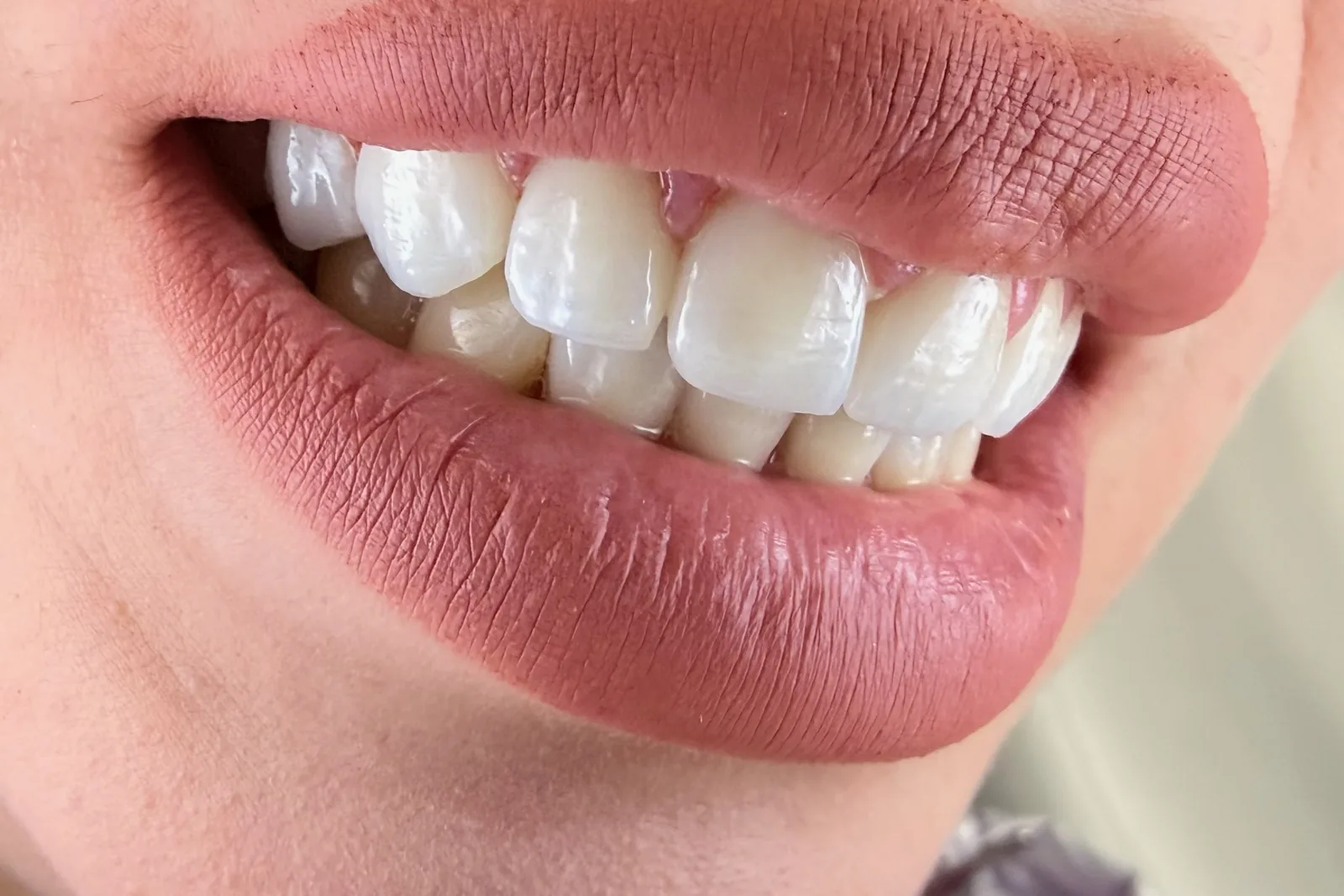
It depends on one question: do you want to change teeth you still have, or replace teeth that are missing or can't be saved? If your teeth are healthy but you don't like their shape, color or size, that is usually an aesthetic case — smile design, often with porcelain veneers. If teeth are missing or failing, that is a replacement case — dental implants or a full-arch option like All-on-4. Many smiles need a bit of both, planned together.
The simplest way to tell them apart
Think of it as improving versus replacing.
- Smile design improves teeth you keep. The goal is how your smile looks: shape, color, proportions, symmetry and how your teeth relate to your lips and face. The most common tool is porcelain veneers — thin shells bonded to the front of your own teeth — sometimes combined with whitening, gum contouring or orthodontics.
- Dental implants replace teeth you've lost or will lose. An implant is an artificial root placed in the jawbone, topped with a crown, a bridge or, for a full row, a fixed full-arch bridge such as All-on-4. The goal is first to restore function — chewing, speaking, stability — and then to make it look natural.
A veneer needs a healthy tooth underneath to bond to. An implant needs a space where a tooth is missing, or a tooth that's going to be removed. That's why the two answer different problems.
Signs your case is mainly aesthetic
Smile design is usually the conversation when:
- Your teeth are healthy and firm, but you don't like how they look.
- They're discolored in a way whitening doesn't fix.
- They're chipped, worn, uneven, too small, or have gaps between them.
- Old veneers or fillings no longer match and you want a more natural look.
- Your gums show a lot when you smile, or the gum line is uneven.
In these cases, your own teeth stay. The work focuses on their surface and shape, often with porcelain veneers. Learn more in our smile design treatment page and our complete guide to smile design in Miami.
Signs your case is mainly about replacement
Implants are usually the conversation when:
- One or more teeth are missing.
- A tooth is broken below the gum line, cracked through the root, or too damaged to restore.
- Teeth are loose because of advanced gum disease.
- You wear a partial or full denture and want something fixed.
- Many teeth in the same arch are failing at once — the situation where a full-arch option like All-on-4 may come up.
Here, the first job is to rebuild a stable foundation. Learn more on our dental implants page. If you're weighing an implant against a bridge, read dental implants vs. bridges.

Side by side
| Smile design (veneers) | Dental implants | |
|---|---|---|
| Main question it answers | "I don't like how my teeth look" | "I'm missing teeth, or they can't be saved" |
| Your natural teeth | Kept and reshaped on the surface | The missing or failing tooth is replaced |
| What's placed | Porcelain veneers bonded to the front of your teeth | An artificial root in the bone, plus a crown or bridge |
| Surgery | No | Yes, a minor oral surgery with local anesthesia |
| Healing period | Usually short | The implant needs months to bond with the bone |
| Primary goal | Appearance: shape, color, harmony | Function first, then a natural look |
| Planning | Digital preview of the new smile before starting | 3D scan to check bone and plan positions |
Neither column is "better." They solve different problems, and your dentist confirms which one applies after examining you.
When both go into the same plan
Many smiles aren't purely one thing or the other. A common example: a patient is missing one or two teeth and also dislikes the color and shape of the front teeth. Replacing the missing teeth with implants and improving the remaining front teeth with veneers can be planned as one project, so the crowns on the implants and the veneers on the natural teeth match in color, shape and size.
Other combinations that can come up:
- A tooth that can't be saved, next to teeth that just need cosmetic work. The failing tooth may be replaced with an implant while the neighbors receive veneers. If you're unsure whether a tooth can be saved, see root canal vs. extraction and implant.
- Worn teeth with a collapsed bite. Some cases need restorations to rebuild the bite before any purely cosmetic step.
- A full-arch case where appearance matters a lot. With All-on-4, the shape and color of the final bridge are designed with the face in mind, just as in smile design.
The key in combined cases is the order. Function and health usually come first — treating gums, removing teeth that can't be saved, placing implants and letting them heal — and the final cosmetic pieces are made at the end, so everything matches.
Why one team for both helps
When implants and veneers are done in different places, matching them can be harder: one lab makes the implant crowns, another makes the veneers, and the shades don't always line up. At Art Dental Studio, smile design is led by Dr. Vivian Menendez, who directs the clinic. Porcelain veneers are hand-made in the clinic's own laboratory by master ceramist Enrique, working alongside the doctor, so the shape and color of your new smile can be adjusted in person. Our article on why a smile makeover needs a team explains this in more detail.
Before anything is done, you can see a digital preview of how your new smile could look. That preview helps you and your dentist agree on the result before the first step.

Common questions people ask themselves
"My front teeth are healthy but crooked. Do I need veneers?" Not necessarily. Sometimes orthodontics alone, or orthodontics plus a few veneers, is the more conservative path. Read veneers vs. Invisalign.
"Can a veneer go on a tooth that's very damaged?" A veneer covers the front of a tooth; it doesn't rebuild a tooth that has lost most of its structure. In that case your dentist may suggest a crown, or an implant if the tooth can't be saved. See veneers vs. crowns.
How to find out what you need
You don't have to diagnose yourself. At the consultation, your dentist examines your teeth and gums, takes photos and, when implants may be involved, usually asks for a 3D scan. Then you'll hear which part of your case is aesthetic, which part is replacement, and in what order things should happen. Every recommendation depends on your own mouth.
Cost depends on the plan, so we give you a written estimate after your consultation. You can also ask about our financing options.
The bottom line
Smile design is for teeth you keep and want to look better. Implants are for teeth that are missing or can't be saved. When you need both, they work best as one plan, designed together so the final result looks like a single, natural smile. Book a consultation at our Miami / Hialeah, Kendall or Cooper City location, in English or Spanish, and we'll tell you honestly which one your case calls for.
Art Dental Studio has three South Florida locations — Miami / Hialeah, Kendall and Cooper City — with care in English and Spanish. The clinic and its smile design work are directed by Dr. Vivian Menendez, and porcelain veneers are hand-made in the clinic's own laboratory by master ceramist Enrique.
Frequently asked questions
How do I know if I need smile design or implants?
If your teeth are healthy but you dislike how they look, it is usually smile design. If teeth are missing or cannot be saved, it is usually implants. Your dentist confirms it.
Can implants and veneers be combined?
Yes. They can be planned as one project so the crowns on the implants and the veneers on your natural teeth match in color, shape and size.
Can a veneer go on a badly damaged tooth?
A veneer covers the front of a tooth; it does not rebuild one that lost most of its structure. A crown, or an implant if the tooth cannot be saved, may be suggested.