You might need a root canal if you have lingering sensitivity to hot or cold, pain when biting or chewing, a darkening tooth, a pimple-like bump on the gum, or facial swelling — all signs the pulp inside your tooth is infected or dying. And no, a modern root canal usually feels no worse than a filling.
The warning signs to watch for
A root canal treats the soft tissue (the "pulp") inside a tooth once it becomes infected or inflamed. Your body sends signals long before that. See a dentist if you notice any of these:
- Lingering sensitivity to hot or cold — a healthy twinge fades in seconds; pulp trouble aches for 30 seconds or longer after the source is gone.
- Pain when biting or chewing, or a tooth that feels tender to touch.
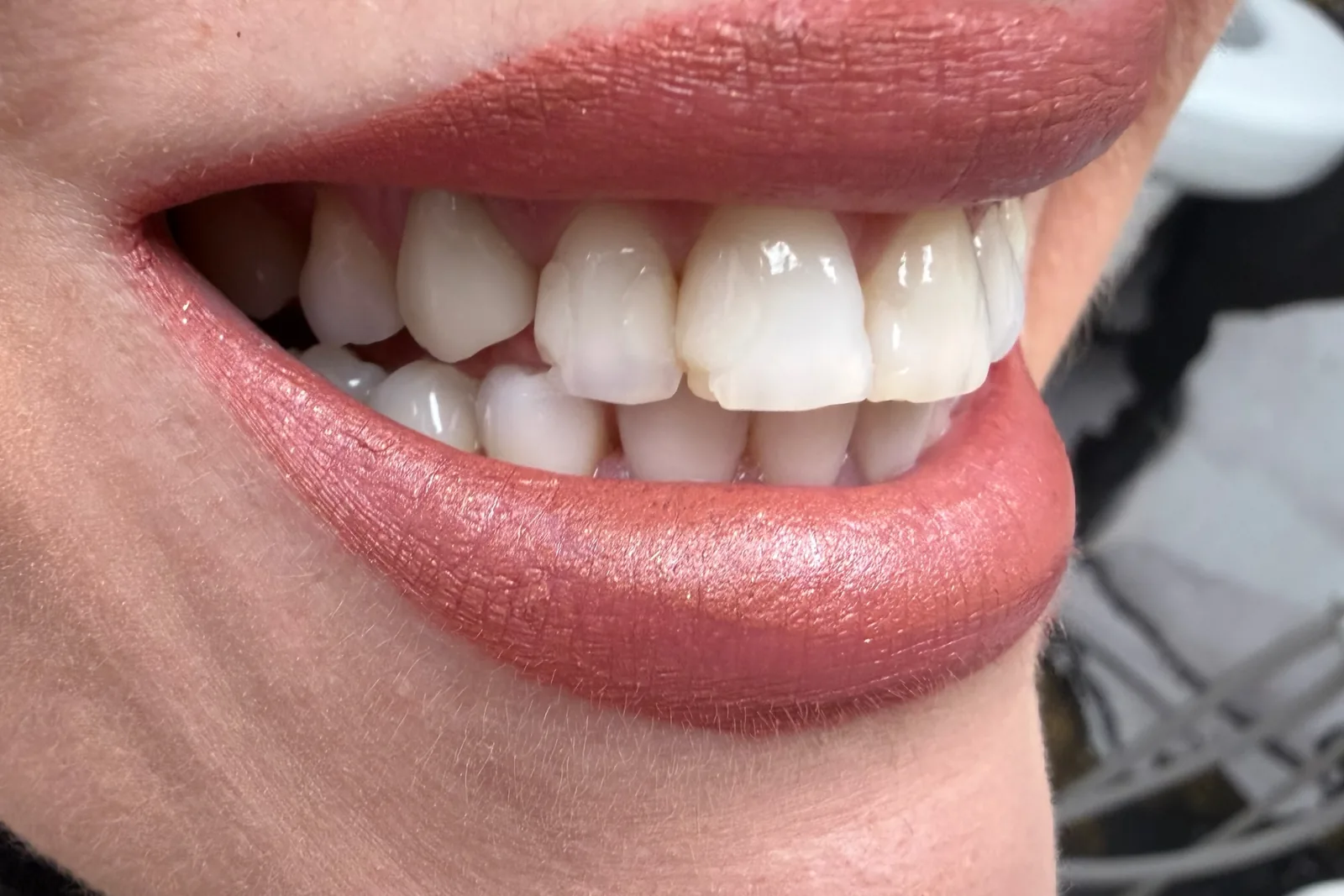
- A darkening or graying tooth compared to its neighbors, which can mean the pulp has died.
- A "pimple" or small bump on the gum near the tooth that may drain and taste bad — a sign of an abscess.
- Swelling in the gum, jaw or face, sometimes with a lingering deep ache.
Not every symptom means a root canal, and some infected teeth cause no pain at all — which is exactly why regular exams matter.
What a root canal actually is
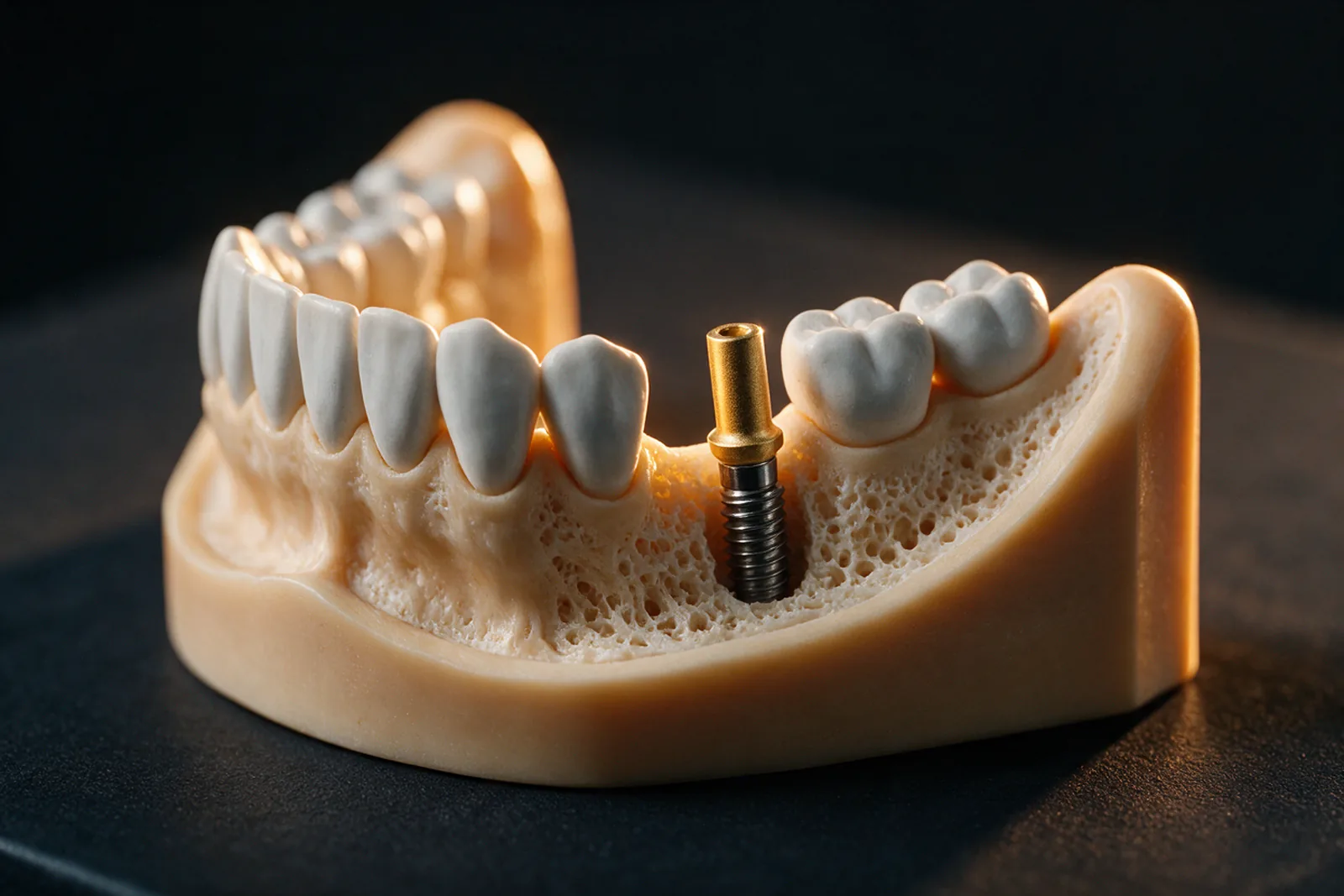
Contrary to its reputation, a root canal is a tooth-saving procedure, not a tooth-damaging one. The dentist removes the infected pulp, cleans and disinfects the inner canals, then seals them. The tooth stays in place and keeps doing its job. In short, a root canal removes the infection that was causing the pain — it does not cause the pain.
Does it really hurt? Busting the myth
The old "root canals are agony" reputation comes from a time before modern anesthesia and techniques. Today the reality is very different:
- With effective local anesthesia, the tooth and surrounding area are fully numb — most people feel pressure, not pain.
- Many patients say the appointment feels much like getting a routine filling.
- The pain people fear is almost always the infection itself. The procedure is what relieves it.
Mild tenderness for a day or two afterward is normal and usually managed easily.

What happens if you ignore it
An infected pulp does not heal on its own, and waiting rarely makes things simpler. Left untreated, the infection can spread into the surrounding bone, form or worsen an abscess, and eventually mean losing the tooth. Facial swelling, a fever, or trouble swallowing or breathing signal a spreading infection and are a dental emergency — get seen right away.
Why a crown usually comes next
After a root canal, the treated tooth is more brittle because it no longer has its living blood supply — especially on back molars that absorb heavy chewing force. That's why a dental crown is often placed over it: the crown caps the tooth, restores full strength, and protects it from fracturing for years to come.

Questions to ask at your consultation
- Is a root canal the best way to save this tooth, or are there other options?
- Will I need a crown afterward, and when?
- What are the signs of infection I should watch for while I heal?
- How long will the treated tooth last?
The bottom line
Lingering temperature sensitivity, pain on chewing, a darkening tooth, a bump on the gum, or swelling are the classic signs the pulp is in trouble — and the earlier they're evaluated, the simpler the fix. A modern root canal is a comfortable, routine way to save a tooth you'd otherwise lose. If any of these sound familiar, have it checked before a small problem becomes a bigger one.
Art Dental Studio offers complimentary consultations at three South Florida locations — Miami, Cooper City and Kendall — with bilingual care in English and Spanish. Every specialty, from endodontics to periodontics, works under one roof, led by Dr. Vivian Menendez (DMD · ADA).
Frequently asked questions
What are the signs you might need a root canal?
Lingering sensitivity to hot or cold, pain when biting or chewing, a darkening tooth, a pimple-like bump on the gum, or facial swelling — all point to infected or inflamed pulp inside the tooth. Some infected teeth cause no pain at all, which is why regular dental exams matter.
Does a root canal really hurt?
With modern local anesthesia the tooth is fully numb, so most people feel pressure, not pain — much like getting a filling. The pain patients fear usually comes from the infection itself, which the procedure relieves. Mild tenderness for a day or two afterward is normal and easily managed.
Why do you need a crown after a root canal?
A treated tooth no longer has its living blood supply and becomes more brittle, especially back molars that absorb heavy chewing force. A crown caps the tooth, restores full strength, and protects it from fracturing for years to come.